Melasma is a complex pigmentation disorder driven by excess melanin production, inflammation, and abnormal skin cell turnover. Because multiple pathways are involved, dermatologists often rely on triple combination therapy rather than single-ingredient treatments. This approach is designed to deliver faster and more consistent improvement, especially in moderate to severe cases.
This article explains how triple combination cream works, why it is used for limited periods, and what results patients can realistically expect.
Why Melasma Requires Combination Treatment
Melasma is not caused by a single factor. Sun exposure, hormonal changes, and inflammation all contribute to pigment overproduction. Treating only one pathway often leads to partial or temporary improvement.
Triple combination creams address melasma by:
- Reducing melanin production
- Accelerating skin cell turnover
- Controlling inflammation and irritation
This multi-targeted strategy is why combination therapy remains the clinical standard.
What Is in a Triple Combination Cream?
A typical triple combination cream contains:
- Hydroquinone – suppresses melanin synthesis
- Tretinoin – enhances penetration and speeds renewal
- Fluocinolone acetonide – reduces inflammation and irritation
Together, these ingredients work synergistically to improve pigmentation more effectively than monotherapy.
According to the Journal of the American Academy of Dermatology, triple combination therapy shows higher clearance rates for melasma compared with hydroquinone alone when used under medical supervision.
How Long Should Triple Combination Cream Be Used?
Because the formulation is potent, treatment is typically limited to 8–12 weeks.
General recommendations include:
- Apply once daily at night
- Use a thin layer on affected areas only
- Avoid continuous long-term use
- Transition to maintenance therapy afterward
Strict sun protection is essential throughout treatment to prevent relapse.
Expected Results and Maintenance
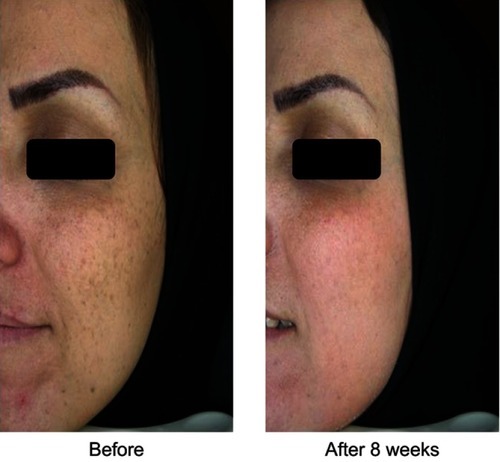
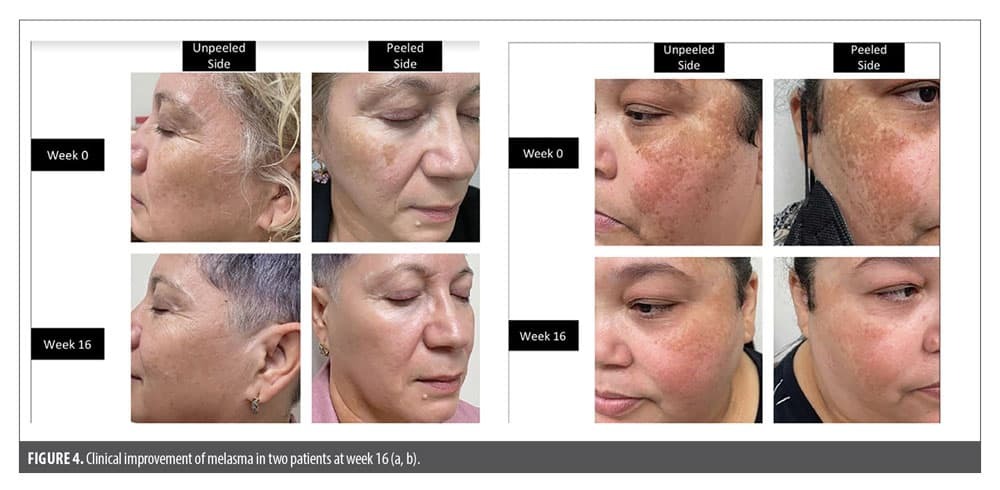
Most patients notice visible improvement within the first month, with continued fading over the treatment course.
After active treatment:
- Maintenance therapy may include azelaic acid or retinoids
- Daily sunscreen use remains critical
- Recurrence is possible without sun protection
Melasma management is long-term, even when initial clearance is successful.
Choosing a Triple Combination Product
Formulation accuracy and ingredient balance are essential for safety and results. A commonly used medical option is:
👉 triple combination cream for melasma
https://okdermo.com/product/triluma-rd-hydroquinone-2-tretinoin-0-025-fluocinolone-0-01-cream-by-galderma-15g/
This formulation is widely used in dermatologist-guided treatment protocols.
Who Should Avoid Triple Combination Therapy?
Triple combination creams may not be appropriate for:
- Pregnant or breastfeeding women
- Patients with very sensitive or damaged skin
- Long-term continuous use without supervision
A dermatologist should always assess suitability before treatment.
Conclusion
Triple combination cream remains one of the most effective short-term treatments for melasma because it targets pigmentation, inflammation, and skin turnover simultaneously. When used for defined treatment periods and combined with strict sun protection, it delivers faster and more reliable results than single-agent therapies.
Proper use and maintenance planning are key to long-term success.
You me also like to read : How Does Your Personality Type Influence Your Choice Of Partner?