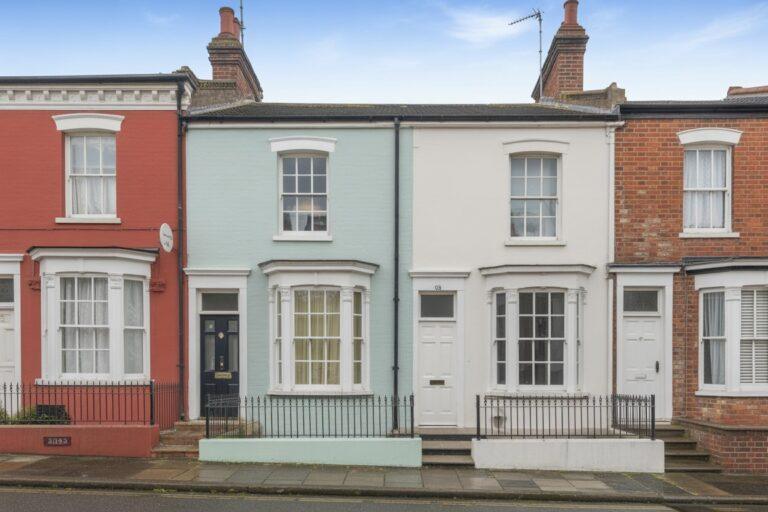
Buy a Home at a Property Auction in the UK
Buying a home at a UK property auction can be one of the fastest and most exciting ways to secure a property—especially for buyers seeking value or unique opportunities. Unlike traditional purchases, auctions offer transparency, quick completion, and the chance to purchase homes below market value.
However, the process can be risky if you’re unprepared. This is why many bidders choose to consult Property buying agents who understand auction dynamics, legal requirements, and pricing strategies. Whether you’re a first-time bidder or an experienced investor, this step-by-step guide will help you navigate property auctions confidently.
1. Understand How Property Auctions Work
Property auctions are very different from private treaty sales. Once the hammer falls, the winning bidder is legally bound to complete the purchase—usually within 20–28 days. This means everything must be prepared before the auction, not after.
There are two main auction types:
- Traditional Auctions – Exchange happens immediately when you win the bid. Completion typically must occur within 28 days.
- Modern Method of Auction (MMoA) – Also known as “conditional auctions.” Winning grants you exclusivity for 28 days to complete checks and exchange. Completion follows later.
While the modern method gives more time, it often includes higher fees. Understanding which format you’re entering is essential.
2. Research the Auction Catalogue
Auction houses publish catalogues several weeks before the event. This contains details on all the properties available, including:
- Guide price
- Property type and condition
- Location
- Photos and floorplans
- Legal pack availability
Guide prices are not the expected sale price—they are often set low to attract interest. Bidders should research the true market value using comparable sales, rental yields (if investing), and local market trends.
3. View the Property Before the Auction
Never bid on a property without viewing it. Some auction lots may include:
- Structural problems
- Damp, leaks, or mould
- Japanese knotweed
- Unmortgageable conditions
- Short leases
- Unknown occupants or tenancy complications
A viewing allows you to estimate renovation costs and decide if the property is worth pursuing. Many savvy buyers also bring a builder or surveyor to evaluate potential risks.
4. Review the Legal Pack Carefully
Auction legal packs are provided by the seller’s solicitor and include essential documents such as:
- Title deeds
- Local searches
- Special conditions of sale
- Lease information (if leasehold)
- Environmental reports
- Any associated fees
These documents may contain clauses requiring additional payments, restrictive covenants, or major risks. Because the auction contract is binding, you must review these documents with a solicitor before the auction. Skipping legal checks can lead to expensive surprises.
5. Arrange Your Finances Early
Auction purchases require fast payment. Typically:
- A 10% deposit is due immediately when you win the bid.
- The remaining 90% balance must be paid within 20–28 days.
Cash buyers usually find auctions easier, but mortgages are still possible if:
- The property is mortgageable
- You have a mortgage in principle
- Your lender can act quickly
Some buyers use bridging loans due to the tight timeline. Whatever route you choose, ensure your financing is fully prepared before bidding.
6. Set a Maximum Bid and Stick to It
Auctions can be emotional and fast-paced. It’s easy to get caught in the excitement and bid more than planned. Before attending:
- Calculate your maximum bid
- Add renovation or legal costs
- Factor in auction fees
- Consider resale or rental value (if investing)
Once inside the auction room—or bidding online—never exceed your limit. Discipline is essential for making a smart investment.
7. Register to Bid
Depending on the auction house, you may be able to bid:
- In person
- Over the phone
- By proxy
- Online
You will need to provide identification and proof of funds for registration. Register early to avoid last-minute delays.
8. Bid with Confidence
On the day:
- Arrive early (if attending in person)
- Keep track of the lot numbers
- Bid clearly and confidently
- Stay calm and avoid emotional bidding
If you win, you must sign the contract and pay the deposit immediately. There is no cooling-off period.
9. Complete the Purchase
Once you win the bid:
- Your solicitor and lender (if applicable) must act quickly
- All remaining payments must be made by the completion deadline
- Insurance may be required immediately
- Access for surveys or contractors should be arranged fast
Failure to complete on time can result in losing your deposit and facing legal action.
Final Thoughts
Buying a home at a UK property auction can be both rewarding and financially advantageous, but only with careful preparation. From researching guide prices and reviewing legal packs to arranging financing and setting clear bidding limits, each step requires discipline and detailed knowledge. Many successful buyers work with Property buying agents who provide expert guidance, market insight, and strategic bidding support. With the right preparation and professional help, auctions can open the door to unique opportunities and fast, secure home purchases.