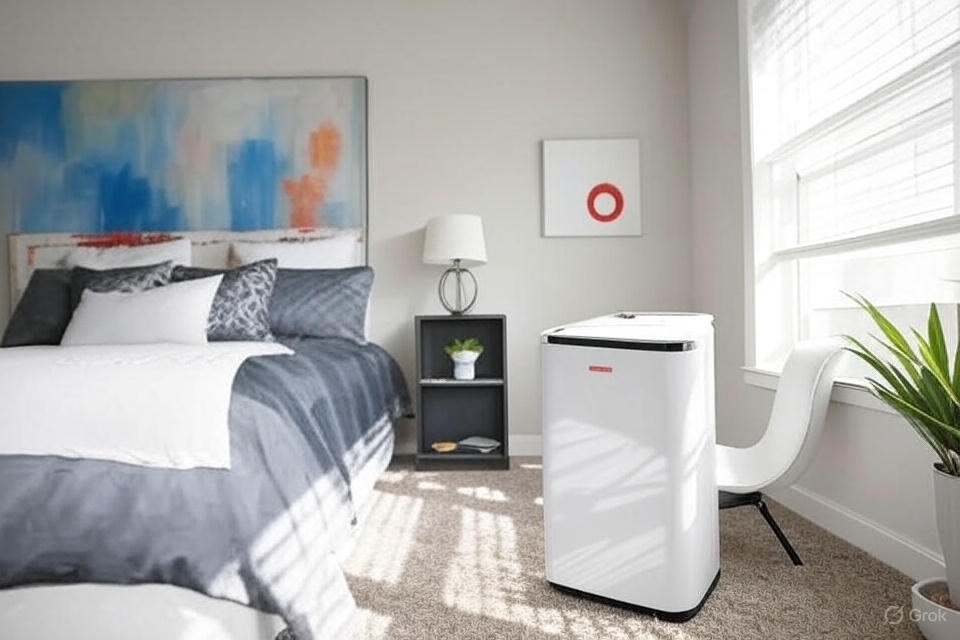
portable air conditioner
Introduction
A portable air conditioner is a handy way to cool a room fast. These units sit on the floor and move cool air where you need it. They are easy to set up and don’t need big changes to your home. Many people choose a portable air conditioner when they rent, want extra cooling, or need a room-by-room solution. I’ve used a small portable unit in my office and another in my camper. They saved money and kept us comfortable on hot days. In this guide, I explain how they work, how to pick one, and real tips to use them well.
How a Portable Air Conditioner Works
A portable air conditioner pulls warm air from the room, cools it with a refrigerant, and pushes the cool air back out. It also makes some moisture while it cools. Many models send hot air out through a hose that fits in a window. Others use special designs that do not need a big hose. The unit needs power and some space around it so air can flow. Think of it like a small fridge for the room. Simple care and regular cleaning help it work better and last longer.
Types of Portable Units: Single-Hose vs Dual-Hose and Hose-Free Options
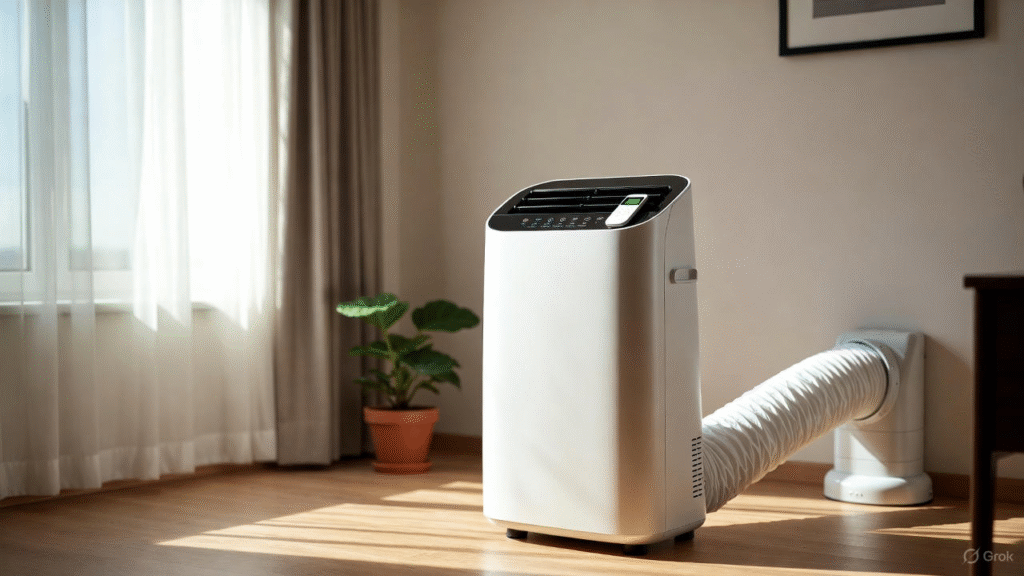
There are single-hose and dual-hose portable air conditioners. Single-hose models use one tube to send hot air out. Dual-hose models have one tube for outdoor air and one for exhaust. Both types cool well, but dual-hose units can be more efficient in some rooms. There are also units marketed as a portable air conditioner without hose. These use special vents or work as evaporative coolers and are best in dry climates. Choosing the right type helps you get the best cooling and the least energy use.
Choosing the Right Size: Why BTUs Matter
BTU stands for British Thermal Unit and shows how much cooling a unit can do. More BTUs mean more cooling power. For a small bedroom you may need 8,000–10,000 BTU. For a larger living room you may need 12,000–14,000 BTU or more. Too little BTU and the room stays warm. Too much BTU and the unit may cycle on and off too fast. Measure your room and check the BTU guide on the box. This helps you pick the best portable air conditioner for your space.
Top Brands and Models to Consider (Including LG and Hisense)
Many brands make good units, from small to strong. You can find reliable choices like LG portable air conditioner models and ones from Hisense. LG units often have easy controls and quiet fans. Hisense portable air conditioner models are known for good value and solid cooling. Look for features like a timer, remote control, and eco modes. Reading user reviews helps, but also check energy use and warranty. A trusted brand plus simple maintenance will keep your unit working for years.
Portable Air Conditioner for Car and Travel Use
If you want cool air on the road, a portable air conditioner for car use might help. These are smaller and may run on DC power or use inverters. Some plug into a car outlet and cool a small space like a camper or pickup camper shell. They are lighter and easier to move. For long drives, check power needs and how the unit vents heat. In tight spaces, a small, efficient model will do better than a large one. Always test it before a long trip.
Energy Use and Cost: How to Save Money
Portable units use more power than a fan, but they can be cheaper than central AC for one room. To save energy, choose the right BTU size, run the unit on a higher fan speed briefly, then lower it. Use the timer and sleep modes to cut runtime. Seal the window around the exhaust hose so hot air does not leak back in. Clean filters monthly to keep airflow strong. These steps help reduce electricity use and keep your portable air conditioner running efficiently.
Installation Tips: Windows, Hoses, and Safe Placement
Most portable units need a small window kit for the exhaust hose. Place the hose straight and short to help airflow. Avoid sharp bends or coils. Keep the unit near a window and a power outlet. Leave two feet of space around the unit so air can move freely. If using a portable air conditioner without hose, follow the maker’s setup steps carefully. For safety, use a grounded outlet and avoid extension cords. Proper setup means better cooling and fewer problems later.
Maintenance Made Simple: Cleaning and Trouble Signs
Simple care keeps a unit cooling well. Clean or replace the filter every month if you run it a lot. Empty the water tray or use the self-evaporation system as the manual says. Wipe the coils and vents with a soft brush to clear dust. If the unit smells bad, check for mold and clean with mild soap. If it leaks or makes loud noises, stop and check the hose and seals. Regular checks catch small issues before they become big repairs.
Portable Air Conditioner Without Hose: Pros and Cons
Some users want a portable air conditioner without hose to avoid window work. These models can be easier to move and may use less setup time. However, they often rely on evaporative cooling or special designs and work best in dry climates. In humid areas they may feel less cool than hose-backed units. If you live where air is dry, a hose-free unit can be a great choice. In humid places, a hose model or dehumidifier will feel better and cool more reliably.
Best Portable Air Conditioner Picks for Different Needs
The best portable air conditioner depends on your goal. For a quiet bedroom, pick a model labeled “low noise.” For a big living room, find higher BTUs and strong airflow. For renters, pick a unit with easy window kits and no installation holes. For road trips, choose a small portable air conditioner for car or camper use. Check warranty and reviews for long-term trust. I once helped a friend pick a unit for a sunroom and we matched BTU to room size — it worked great and saved money.
Real-Life Tips: Where I Used Portable AC and What I Learned
I used a portable air conditioner in an attic office and learned a few things. Keep curtains closed during hot hours to reduce load. Run the unit before the room gets very hot; it cools faster. If the unit has a sleep mode, use it at night to save power. Move it closer to the hottest area for faster relief. These small steps made the unit work better and lasted longer. Real use shows that simple habits beat fancy features most of the time.
Safety, Warranty, and When to Call a Pro
Always follow the manual for safety. Use the correct outlet and avoid water on electrical parts. Keep children and pets away from vents and cords. Check the warranty for parts and labor — this shows how much the maker stands behind the unit. If you hear grinding noises, smell burning, or the unit won’t cool at all, stop and contact a repair pro or the manufacturer. A quick check with the warranty can save money and avoid bigger problems.
Conclusion — Ready to Pick Your Portable Cooling?
A portable air conditioner can be a smart, flexible way to stay cool. Pick the right size, choose features you need, and follow simple maintenance to keep it working. Whether you want the best portable air conditioner for value, a quiet LG portable air conditioner for night use, or a portable air conditioner for car trips, there is a model that fits. If you’re unsure, measure your room and match BTUs to size. Try one for a season and you’ll see the practical benefits firsthand. Want help picking a model? Tell me your room size and budget, and I’ll give suggestions.
6 FAQs
1. How do I choose the right portable air conditioner size?
Measure your room square feet. Use the BTU guide on the box. Small rooms need about 8,000–10,000 BTU. Larger rooms need 12,000 BTU or more. Choose a size that matches your room to cool well without wasting energy.
2. Can I use a portable air conditioner without a hose?
Yes, some models are hose-free or use evaporative cooling. They can be easier to move. They work best in dry climates. In humid areas, hose-backed units usually cool better.
3. Are LG portable air conditioner models quiet and reliable?
Many people find LG portable air conditioner models to be quiet and user-friendly. They often have good controls and solid warranties. Check specific model specs and user reviews to be sure.
4. What is the best portable air conditioner for a car or camper?
Look for small models that run on DC power or plug into a 12V outlet with an inverter. Check power draw and cooling capacity for small spaces. Portable air conditioner for car use should be compact and energy-efficient.
5. How often should I clean my portable air conditioner?
Clean the filter every month with heavy use. Wipe vents and coils every few months. Empty water trays as needed. Regular cleaning keeps the unit working well and saves energy.
6. Why is my portable air conditioner not cooling enough?
Common causes include wrong BTU size, dirty filter, blocked exhaust hose, or an open window letting hot air in. Check seals, clean filters, and make sure the hose is short and straight. If problems persist, call a service pro.
Disclaimer
This guide shares general information and personal tips to help you choose and use a portable air conditioner. It is not a replacement for professional HVAC advice. Always follow the manufacturer’s manual for installation and safety. If your unit has electrical or refrigerant issues, contact a licensed technician. Prices, models, and features change over time; check current specs before buying.
If you want, I can now: suggest three specific models (budget, mid, premium), compare LG and Hisense models, or make a simple BTU calculator for your room size. Tell me your room dimensions and budget to get tailored picks.
About the Author