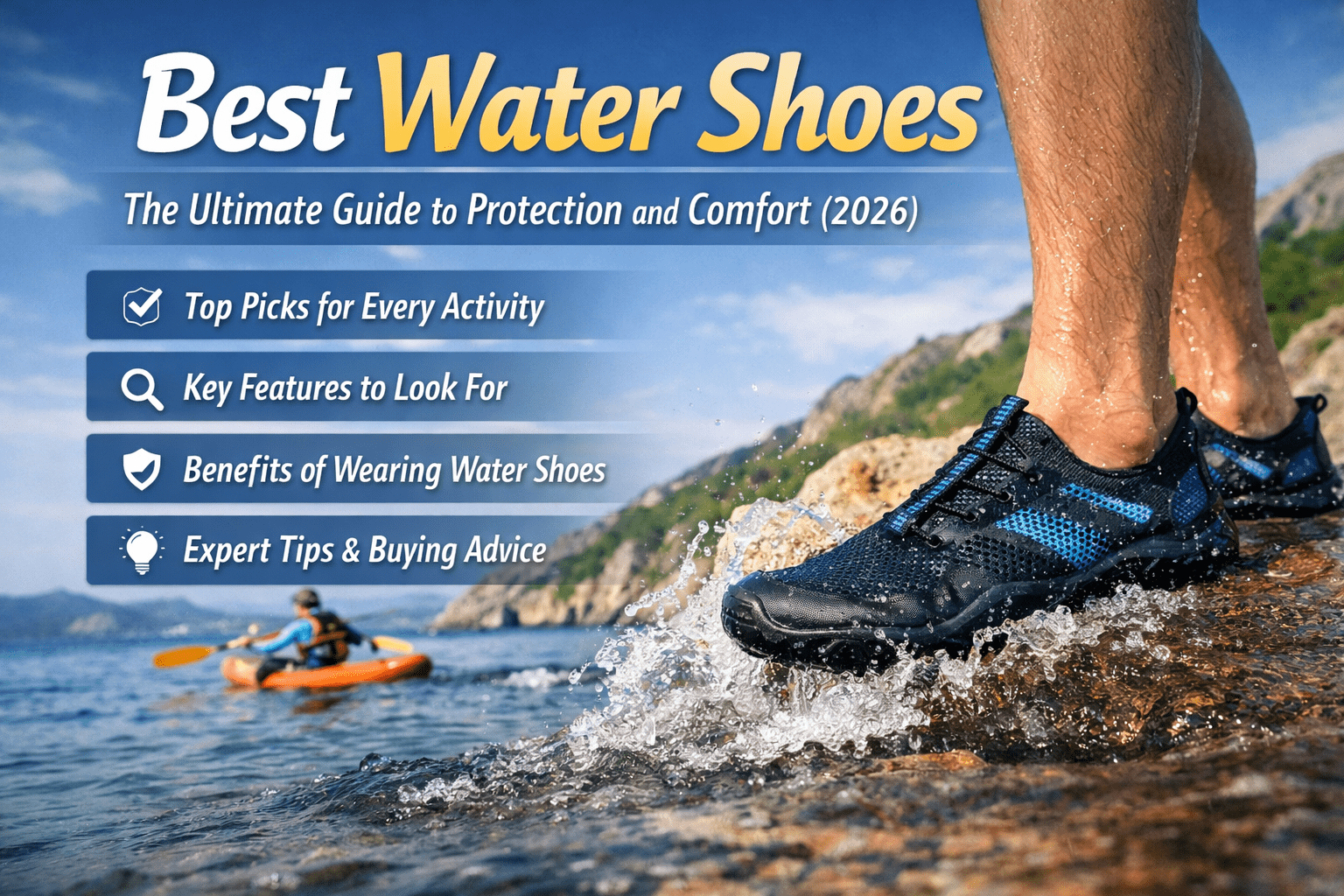
Water Shoes
Why Water Shoes Are Your Best Friend for Every Aquatic Adventure
Have you ever stepped into a cool, refreshing lake only to let out a yelp because you stepped on a sharp rock? Or maybe you’ve tried to walk across hot sand and felt like your feet were on a frying pan. We have all been there. It is exactly why water shoes are a total game-changer for anyone who loves being near the water.
In the past, these shoes were often clunky and, let’s be honest, a bit ugly. But times have changed! Today’s options are stylish, lightweight, and incredibly useful. Whether you are a hardcore hiker or a casual beachgoer, finding the right pair will make your day much better.
In this guide, we will dive deep into everything you need to know about picking the perfect pair. We’ll talk about safety, style, and how to keep your feet feeling great. Let’s get started!
What Exactly Are Water Shoes?
At their simplest, water shoes are footwear designed specifically for activities where your feet are likely to get wet. Think of them as a hybrid between a sneaker and a sock. They are usually made of mesh or neoprene, which helps them dry fast and breathe easily.
The most important part of these shoes is the rubber sole. This sole is designed to give you grip on slippery surfaces. Unlike regular sneakers, which get heavy and soggy when wet, these are built to drain water out quickly. This keeps you light on your feet so you can focus on the fun.
Why You Shouldn’t Just Wear Regular Sneakers
You might think, “Can’t I just wear my old gym shoes?” You could, but you probably shouldn’t. Regular sneakers act like sponges. They soak up water, become heavy, and take days to dry. Plus, the glue in regular shoes can break down when they stay wet for too long.
Water shoes are different because they don’t hold onto water. They feature drainage holes and breathable fabrics. This means you won’t feel like you’re walking with lead weights on your ankles. Also, they won’t develop that “old swamp” smell as easily as your favorite runners would!
Staying Safe: Protection from the Unknown
The main reason people buy water shoes is protection. Nature is beautiful, but it can be pokey. Under the surface of the water, there are hidden dangers like:
- Sharp Rocks: Jagged stones can cause deep cuts.
- Sea Urchins: Stepping on one of these is a fast way to ruin a vacation.
- Broken Glass: Unfortunately, trash can find its way into beautiful places.
- Hot Pavements: Pool decks and sand can reach temperatures that burn your skin.
A sturdy pair of shoes acts like a shield for your feet. It’s much easier to enjoy the view when you aren’t worried about where you are stepping.
Better Grip for Slippery Surfaces
Slips and falls are the most common accidents near water. Whether it’s a mossy rock in a creek or a slick poolside, traction is everything. Water shoes feature specialized outsoles made of sticky rubber.
This extra “grip” helps you keep your balance. If you enjoy paddleboarding or kayaking, having that extra traction on the board or boat is a huge help. It gives you the confidence to move around without the fear of a sudden “splash” into the water.
Comfort and Support All Day Long
If you’ve ever walked around a theme park in wet flip-flops, you know about the “rub.” Blisters are the enemy of fun. Good water shoes are designed to fit snugly—almost like a second skin. This prevents your foot from sliding around inside the shoe, which is what causes those painful red marks.
Many modern pairs also offer arch support. This is great if you plan on doing a lot of walking. You get the comfort of a walking shoe with the water-friendly features of a sandal. It’s the best of both worlds.
Different Styles for Different Activities
Not all water shoes are built the same way. You should choose your pair based on what you plan to do:
- The Sock Style: These are very thin and flexible. They are perfect for the beach or swimming in a pool where you just want protection from hot surfaces.
- The Sneaker Style: These look just like running shoes. They have laces and thick soles. These are best for hiking through trails that have stream crossings.
- The Sandal Style: These have open sides but closed toes. They offer great airflow and are wonderful for boating or fishing.
How to Get the Perfect Fit
When buying water shoes, the fit is a little different than your regular shoes. You want them to be snug but not tight. If they are too loose, they will slide off in the water. If they are too tight, they will pinch and cause discomfort.
Most people find that a “true to size” fit works best. If you are between sizes, it’s often better to go down a half size since materials like neoprene can stretch a little when they get wet. Always try them on with the same thinness of sock (or bare feet) that you plan to wear outdoors.
Caring for Your Shoes so They Last
If you want your water shoes to last more than one season, you have to take care of them. Saltwater and chlorine can be harsh on fabrics.
- Rinse Immediately: After every use, rinse them with fresh, clean water. This gets rid of salt, sand, and chemicals.
- Air Dry Only: Never put them in the dryer! The high heat can melt the glue and ruin the rubber. Instead, let them sit in a shady spot with plenty of airflow.
- Stuff Them: If they are very wet, stuff some newspaper inside to help them hold their shape and soak up extra moisture.
The Environment: Eco-Friendly Options
Many brands are now making water shoes from recycled materials. You can find pairs made from recycled ocean plastic or algae-based foam. This is a great way to protect your feet while also protecting the waters you love to explore. When you shop, look for “sustainable” or “recycled” labels to do your part for the planet.
From the Lake to the Cafe: Versatile Designs
One of the coolest things about modern water shoes is that they don’t look like “water shoes.” Many designs look exactly like trendy sneakers or stylish loafers. This means you can wear them from the boat straight to a casual dinner without feeling out of place. This versatility makes them a great investment for travelers who want to pack light.
Quick Comparison Table: Choosing Your Pair
| Feature | Sock-Style | Sneaker-Style | Sandal-Style |
| Best For | Swimming & Sand | Hiking & Walking | Boating & Fishing |
| Weight | Very Light | Moderate | Light |
| Protection | Low | High | Medium |
| Drainage | High | Medium | Very High |
Frequently Asked Questions
1. Can I swim in water shoes?
Yes! Most are designed specifically for swimming. They are lightweight so they won’t pull you down, and they protect your feet from rough pool floors or lake bottoms.
2. Do I need to wear socks with them?
Usually, no. They are designed to be worn barefoot. However, some people wear thin “no-show” socks to prevent rubbing if they are doing a lot of heavy hiking.
3. Are water shoes good for hiking?
Only if you buy the “sneaker-style” versions. These have the thick soles and ankle support needed for uneven trails. The thin, sock-like versions are not supportive enough for long hikes.
4. How do I stop them from smelling?
The best way is to rinse them after every use and let them dry completely. You can also wash most pairs in a washing machine on a gentle cycle (but always air dry!).
5. Are they the same as aqua socks?
Basically, yes. “Aqua socks” is just another name for the thinner, more flexible versions of these shoes.
6. Do they keep your feet dry?
No. Water shoes are designed to get wet and drain quickly. If you want to keep your feet 100% dry, you would need waterproof boots or waders.
Conclusion: Step Into Your Next Adventure
Investing in a good pair of water shoes is one of the best things you can do for your summer wardrobe. They provide safety, comfort, and the confidence to explore places you might have avoided before. No more worrying about hidden rocks or slippery docks—just pure, un-distracted fun.
Ready to find your perfect pair? Think about where you’ll be spending your time. Is it a sandy beach, a rocky river, or a local swimming pool? Once you know that, you are halfway to your best summer ever.
About the Author